

Loch Awe, Argyll
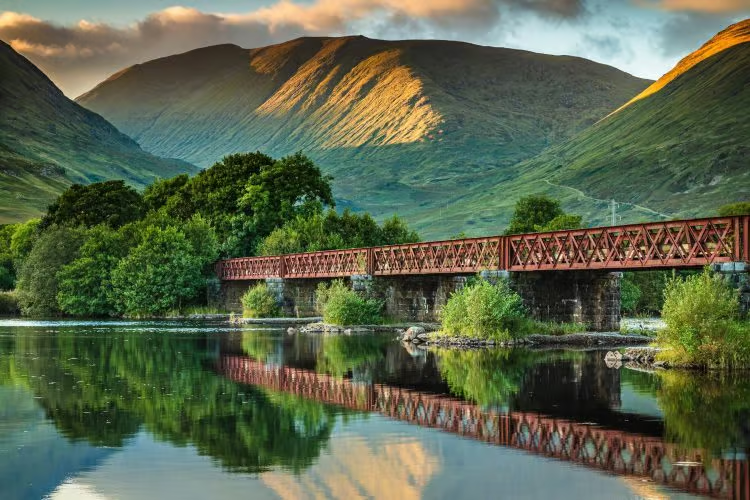
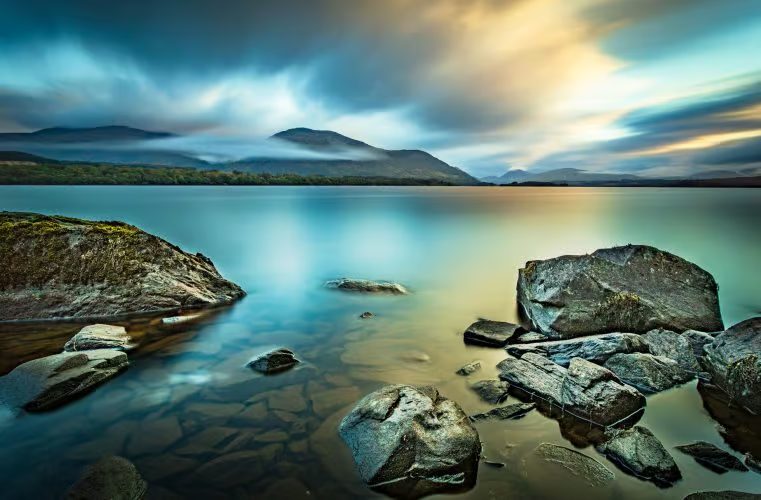
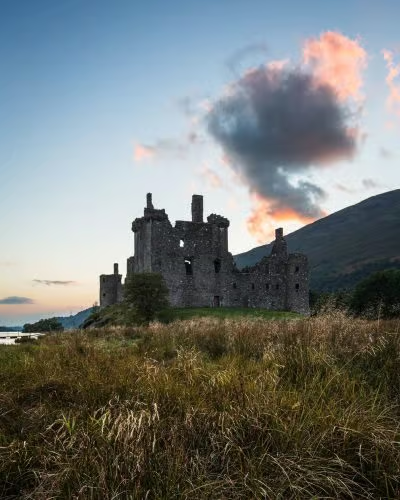
Loch Awe is the third-largest freshwater loch in Scotland with a surface area of 38.5 square kilometres (approx 15 sq mi). It is the longest freshwater loch in Scotland, measuring 41 kilometres (25 mi) from end to end with an average width of one kilometre (just over half a mile). The loch runs approximately south-west to north-east, roughly parallel to the two sea lochs of Loch Etive and Loch Fyne. Via the River Awe and Loch Etive it drains westward from its northern end. The railway line from Crianlarich to Oban runs along the top of Loch Awe and into the narrow defile of the Pass of Brander, passing as it does so one of the most recognisable castles in Scotland, Kilchurn.
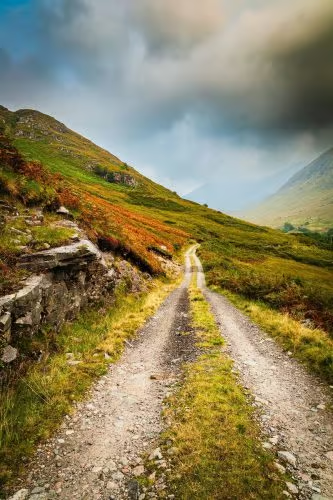
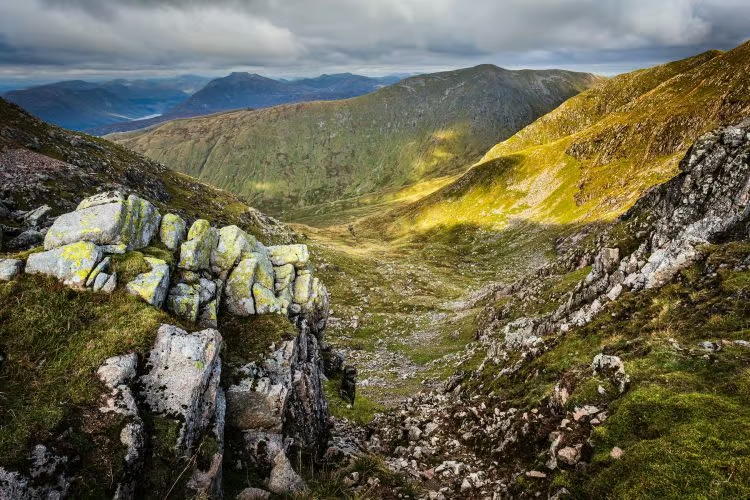
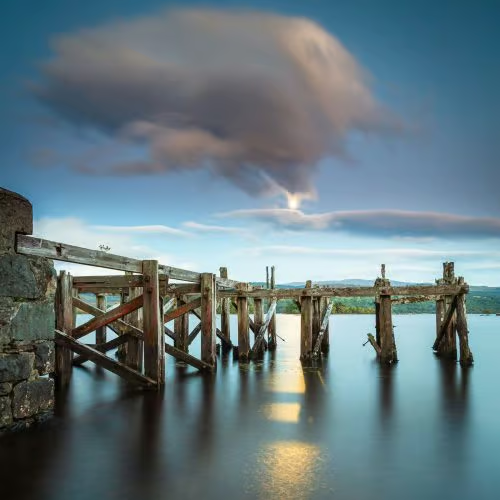
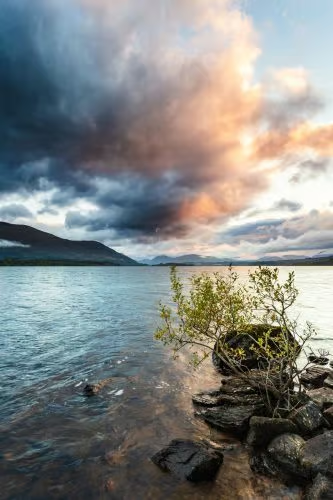


Ben Cruachan
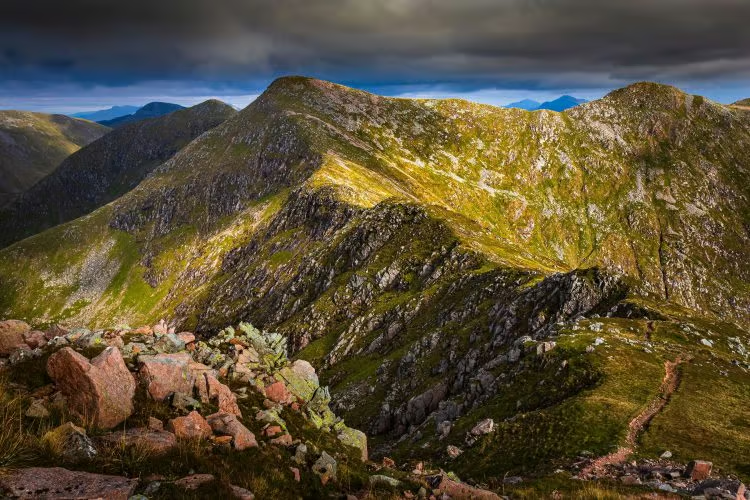
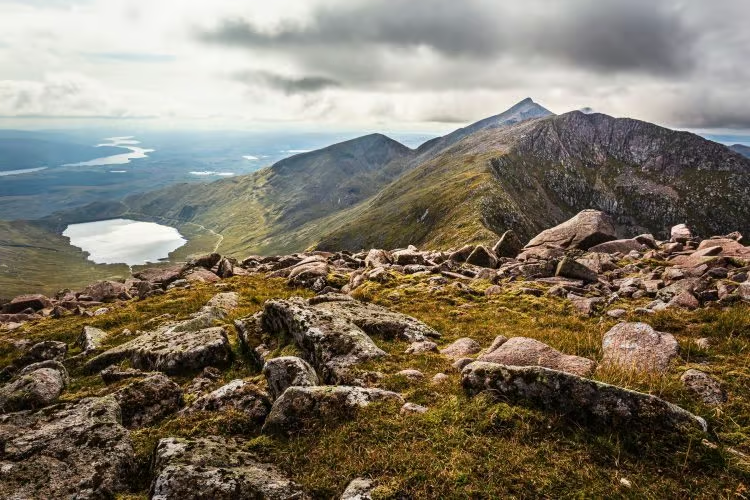
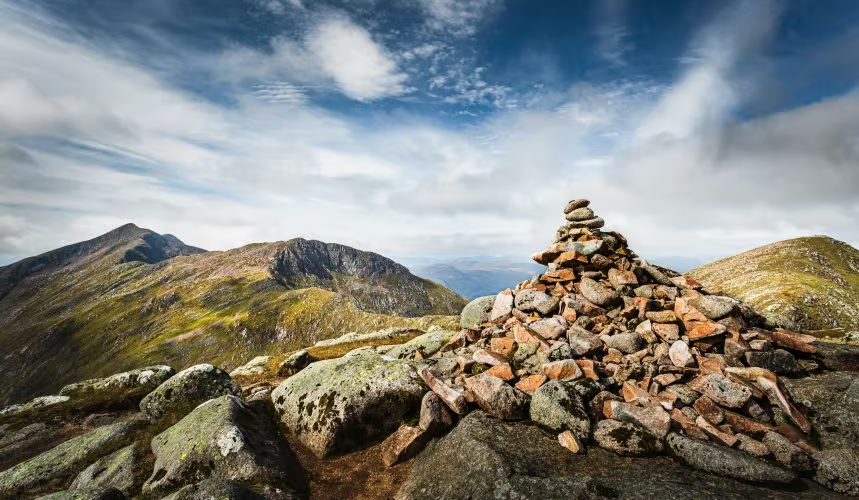
Between Loch Awe and the southern end of Loch Etive is Ben Cruachan which rises to 1,126 metres (3,694 ft), the high point of a ring of mountains, known as the Cruachan Horseshoe, and the highest peak in Argyll and Bute. The Cruachan ridge surrounds a reservoir created by the Cruachan Dam, a pumped-storage hydroelectric power station located in a cavern inside the mountain. The horseshoe includes a further Munro (Stob Daimh) and several subsidiary summits including Stob Garbh at the eastern end of the ridge.
Kilchrenan and the Firth of Lorn
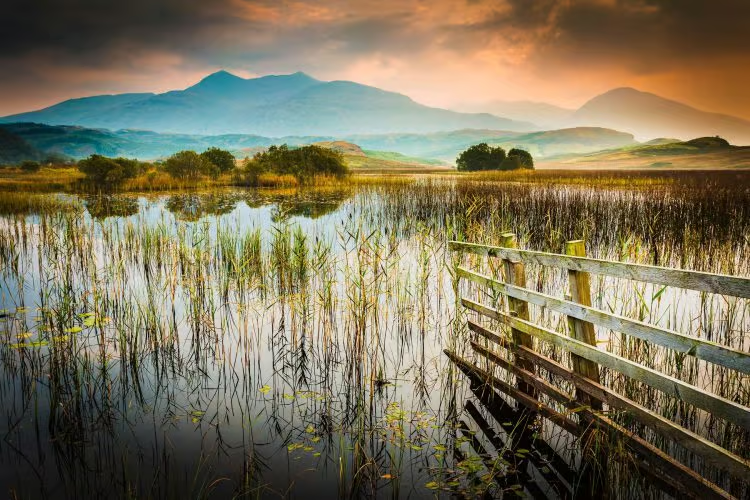
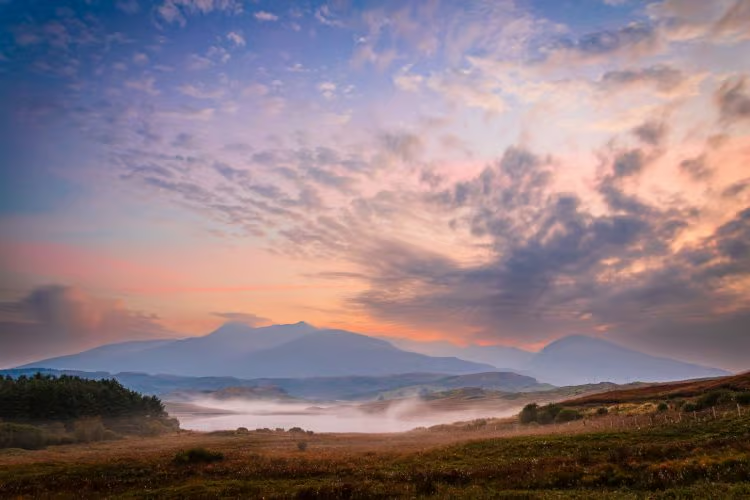
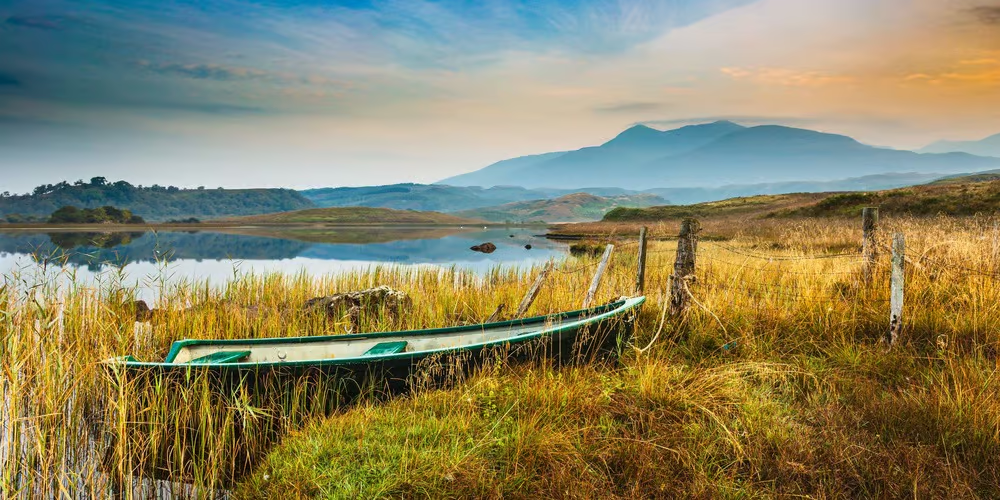
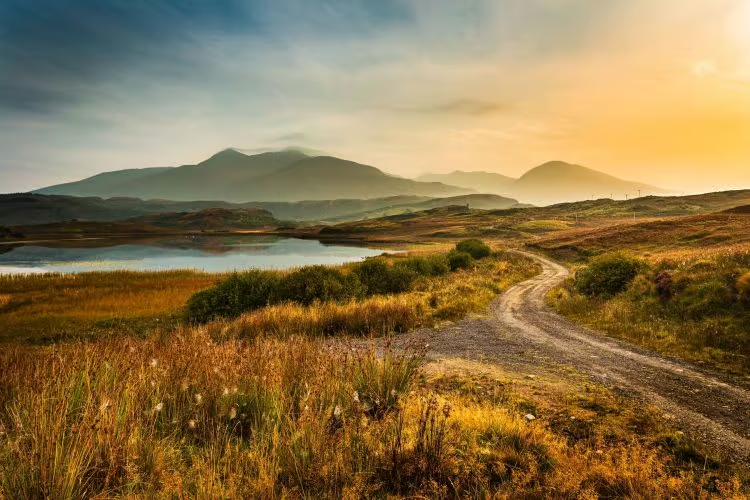
On an extended visit to this area I stayed in the village of Kilchrenan on the western shore of Loch Awe, and near the small and reedy Loch Tromlee from which there are stunning views of Ben Cruachan. I was lucky enough on that occasion to catch a misty September dawn.
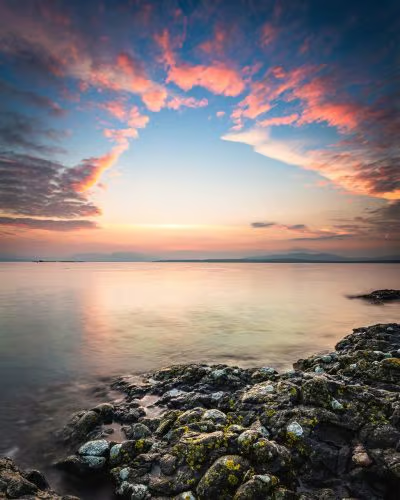
Not far west from my base on that occasion is the bottom of Loch Etive and the Firth of Lorn which it meets at a junction with Loch Linnhe and the Sound of Mull.